

HOW MUCH DOES SAILING COST?
Understanding the total costs is essential, whether you’re buying a car, renovating a bathroom, or planning a vacation. When it comes to sailing, expenses aren’t always as straightforward as a price tag on a store product – that’s why we’re here to clarify everything.
We aim to introduce you to the basic costs of sailing, especially for those embarking on this adventure for the first time.
Note: Here, we will focus on costs directly related to boat rental and staying on board. Costs for transportation to the departure point, excursions, shopping, food and drinks off the boat, and restaurants are not included in this overview.
BASIC COSTS:
Whether you submit an inquiry through the Show Me Sailing website or request a direct offer, you’ll receive a clear price that includes the following items:
- Seven-day boat rental
The rental fee is paid in advance, and payment terms depend on the time of booking and are tailored to offer you maximum flexibility. Standard charter terms are as follows:- Check-in: Saturday at 5 p.m. – boat pick-up
- Return to base: Friday by 6 p.m
- Check-out: Saturday at 9 a.m. – departure from the boat
The rental price includes the fee for the first night in the marina where the boat is picked up. You can find more details in the “Boat Rental Prices” section.
- Final cleaning
Paid directly at the charter base during boat pick-up, usually in cash. This cost is often referred to as a transit log, charter pack, or comfort pack, and its contents vary by company. It may include bed linen, towels, kitchen utensils, an engine for the dinghy, cooking gas, and other amenities. - Refundable security deposit– The deposit can be paid in cash or secured via a credit card. The deposit protects the boat owner against potential damages during use. If there was no damage, the deposit is fully refunded.
- Tourist tax – Paid on-site at check-in and ranges between 0.6 and 1.5 EUR per person per day, depending on the destination.
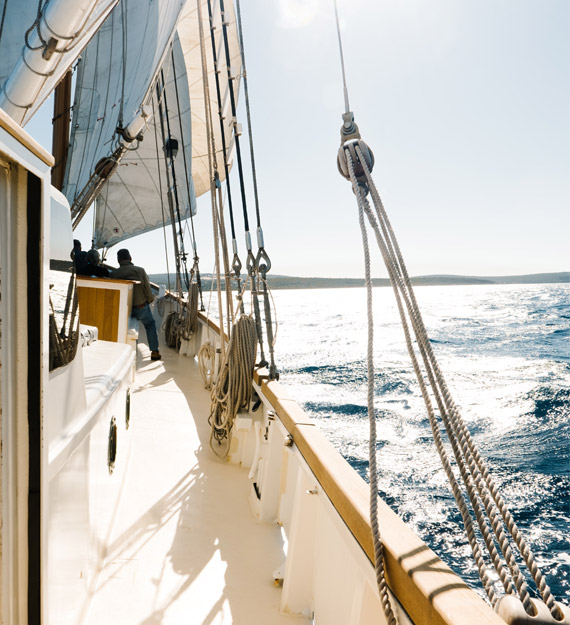
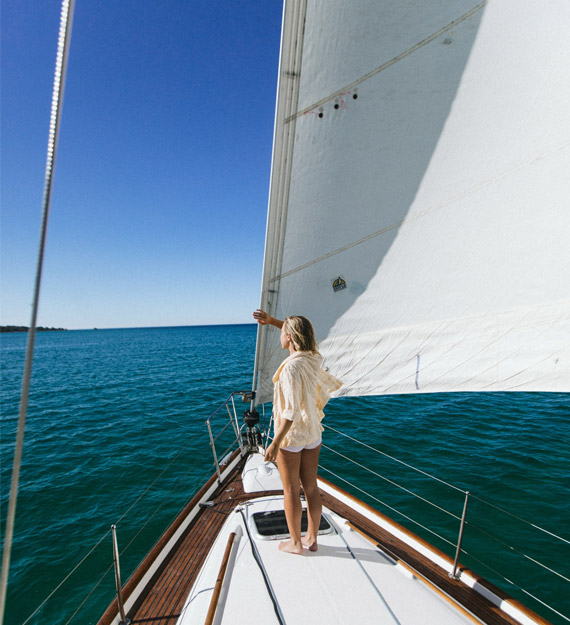

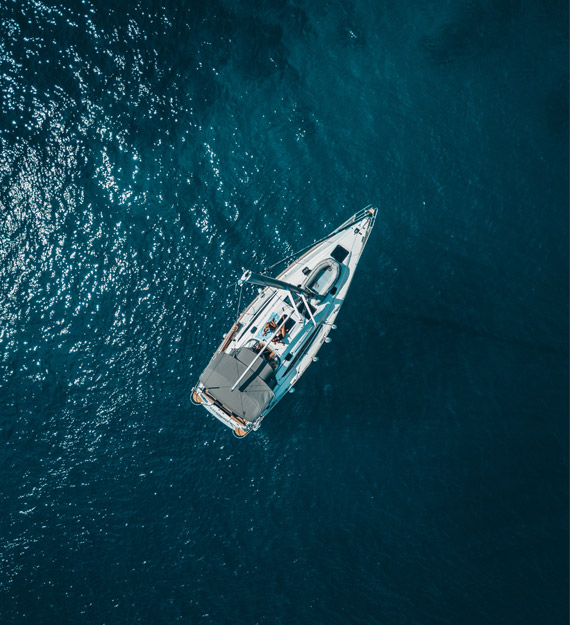
These costs cover all the basic services needed to start your sailing adventure, allowing you to relax and enjoy every moment at sea.
ADDITIONAL COSTS:
If the costs of sailing only consisted of basic items, everything would be simpler. However, there are additional, or so-called “hidden costs,” that cannot be precisely predicted, so we can’t say in advance: “This is how much it costs.”
Agents often feel like they’re “selling air” when explaining these costs – this text was created for this very reason. After the first sailing experience, clients understand the cost structure much better, making collaboration simpler and more enjoyable.
Here’s an overview of all additional costs and their approximate values, without embellishment, so you can have a clearer picture of the true cost of sailing:
SKIPPER SERVICES
If you don’t have a trained skipper on your team, it’s essential to hire one. Skipper fees range from 150 to 250 EUR per day, meaning the minimum cost for a week is 1,050 EUR. The price varies depending on the type of vessel (sailing yacht or catamaran), sailing region, as well as the skipper’s experience and reputation. In addition to the daily fee, the skipper should be provided with a bed on the boat and food and drink during the rental period. For more information, refer to our article on skippers.
PORT FEES
While sailing from island to island and city to city, docking in a marina requires paying port fees, which depend on the size of the vessel. The fee allows the use of water, electricity (220V), toilets, and showers in the marina. This cost is one of the most unpredictable during sailing. In Croatia, port fees range from 50 to 400 EUR, depending on the size of the vessel and marina facilities. In Greece, prices are similar, but in many places on the islands, docking is free or can be secured free if you dine in a local tavern with its own berths. Anchoring in quiet coves is currently free.
FUEL
Although you’re sailing, entering and exiting a marina with a sailboat or catamaran is done with the help of the engine. In the summer months, there is not always enough wind, so the engine is used to reach the destination. Given that vessels use diesel engines with low consumption, the total fuel cost for a week is approximately 80 to 350 EUR. Note: The boat is picked up with a full tank and must be returned with a full tank.
EXTRA ADD-ONS
This category includes services and equipment that are not included in the basic package, such as: pets on board, early check-in, SUP rental, safety nets on the rail, Wi-Fi, airport transfers, hiring a hostess, cook, and so on. Prices for additional services are listed in the basic offer and vary by charter company.
We hope this overview of additional costs has helped you better understand the total cost of sailing. Our goal is to provide you with as clear a picture as possible of all potential expenses so that you can set off on your sailing adventure without surprises.
BOAT PRICE / BOAT SELECTION
If you haven’t yet experienced a sailing holiday, we hope this text will help you make a decision about choosing a boat. In our article “How Much Does Sailing Cost,” we covered all sailing expenses, and here we’ll explain in detail how the boat price itself is determined.
Many factors influence the cost of renting a boat, and the most important ones are:
- Age of the boat
- Equipment available
- Season period when it’s rented
- Discounts
- Sailing region

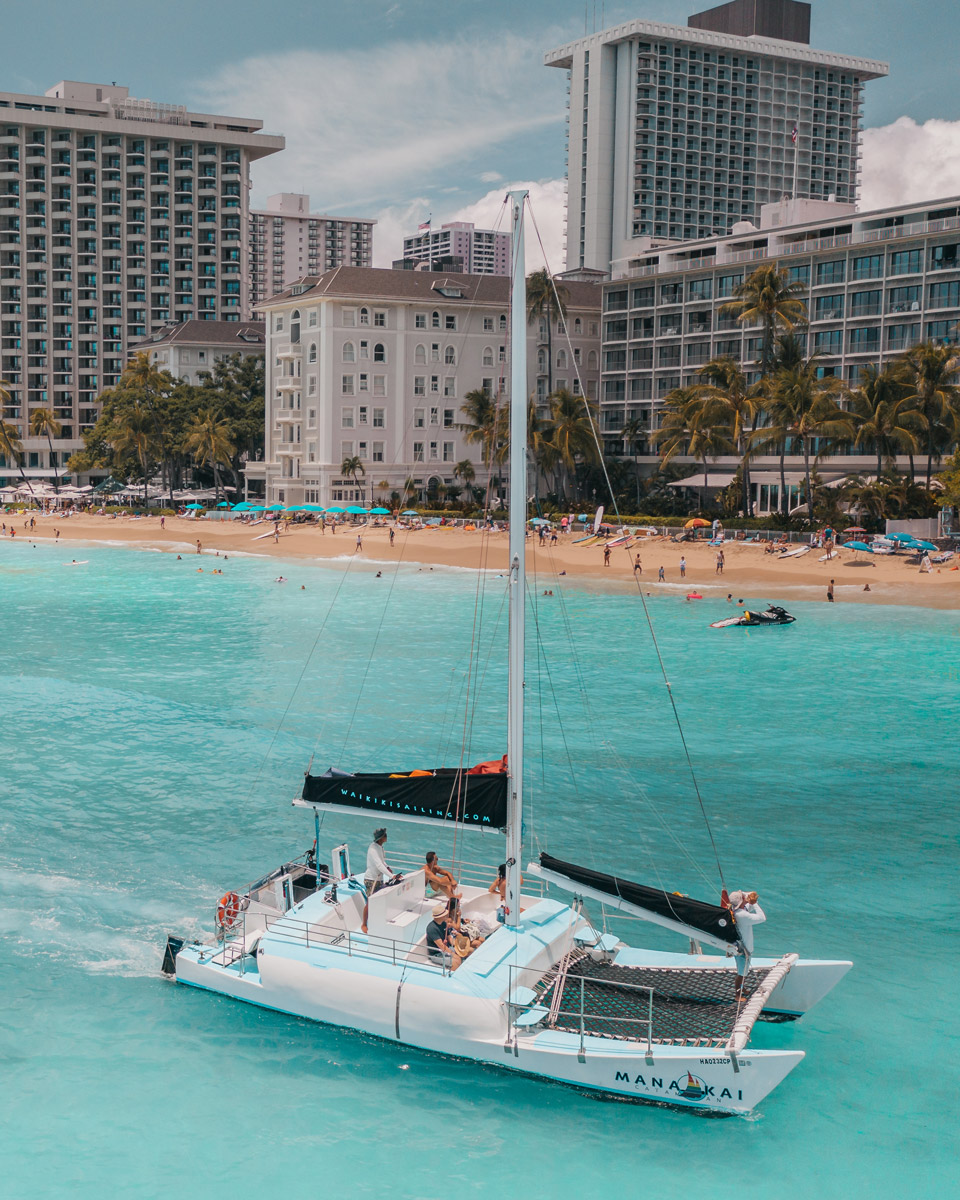


Age of the Boat:
As with many things, newer is usually better for boats. Newer boats generally come with more modern and efficient equipment, which can significantly enhance the experience at sea. Consider the factor of depreciation as well. Charter companies regularly maintain and inspect each boat, but the number of passengers can affect the boat’s condition over the years. For example, if an 8-person boat is occupied for an average of 20 weeks per season, it means about 160 passengers and 20 different skippers use it annually. A boat that is 14 years old would thus have hosted 2,240 passengers and 280 different skippers.
Competition among charter companies, especially in Croatia, means that fleets are often renewed, so a newer boat with better equipment can often be found at a more favorable price than in other destinations, such as Greece. For a first sailing experience, we recommend choosing the newest boat that fits your budget.
Equipment
When buying boats, charter companies ensure that they are equipped with features and layouts that provide maximum comfort and technical support for passengers. Pay attention to the number of toilets, whether they are electric or manual, and the availability of air conditioning, power generators, voltage inverters, and other amenities that make the stay more pleasant and comfortable.
Season Period
The rental price of a boat also depends on the season period. The lowest prices are in April and October, while prices peak in July and August. Each period has its own advantages and disadvantages, which you can read more about in our article “When and with Whom to Sail?”. Here is an example from our partner’s price list for a 2021 Lagoon 42 catamaran with four double cabins and an additional skipper cabin.
Price Example:
Here is an example from our partner’s price list for a 2021 Lagoon 42 catamaran with four double cabins and an additional skipper cabin.
| April | May | June | June – July | July – Aug | Aug – Sep | October |
|---|---|---|---|---|---|---|
| 2500e | 4800e | 7250e | 8300e | 8600e | 7500e | 2600e |
Discounts
Discounts are always welcome, and as in many other tourist industries, First Minute and Last Minute discounts are the most popular in sailing.
- Last Minute discounts are ideal for those who can organize quickly. If they’re lucky and find a canceled reservation, they can get discounts of up to 50%.
- First Minute discount is the most reliable and commonly used discount in sailing. Experienced sailors know that if they plan their sailing time and region in advance, they can make significant savings by paying a deposit during the winter – discounts can be up to 30% off the total rental price. For example, if the sailing price in the first week of July is 8,600 EUR, by paying a deposit of 4,300 EUR in January, you receive a discount of 2,580 EUR. Quite an attractive offer, isn’t it?
- Discounts for regular clients and longer rentals include additional benefits: a 5% discount for regular clients, a 5% discount for booking two consecutive weeks, and a 7–10% discount for three weeks.
Example of costs per person:
The sailing price per person can vary significantly depending on the number of passengers, rental duration, and type of discount. This way, you can further optimize costs and get the most out of your budget.
| Price | Details | |
|---|---|---|
| Boat Rental | 6020e | Katamaran Lagoon 42ft, 3 years old, first week of July, 30% discount from 8600e |
| Final Cleaning | 430e | Cleaning, bedding, towels, gas, Wi-Fi, outboard motor, etc. |
| Skipper | 1260e | Daily fee of 180e |
| Port Fees | 700e | Average for three moorings in Croatia, around 80 EUR in Greece |
| Fuel | 300e | Average diesel consumption for 7 days |
| Total | 8710e | |
| Price per person | 1085,75e |
SKIPPER (CAPTAIN)
Most of my clients are a bit surprised when they hear the skipper’s daily rate—it seems expensive, but…
In this text, I’ll try to explain the skipper’s duties and responsibilities, as well as the relationship between clients and the skipper. Beyond sailing skills and vessel handling, the skipper is the person responsible for your safety, accountable for the crew by law, and possesses knowledge not only about the sailing area and weather conditions but also about places to visit, restaurants, hidden coves, and so on. Regardless of your sailing skills, a holiday is much more enjoyable with a professional on board.
Getting to Know the Captain
The skipper should be at the base before the clients arrive to, if possible, carry out the technical check of the vessel. After meeting at the base, the skipper should guide the clients to the boat and help them settle in. Once everyone has found their place on board, the captain must conduct a “safety briefing.” In a few simple words, the captain should explain where the life jackets, fire extinguishers, and other essential equipment are located, as well as emergency procedures. The rest of the briefing includes tips and tricks for a safe and comfortable stay on the yacht, and instructions on using the toilet, refrigerator, stove, and more.
The next discussion usually concerns route planning. The skipper should balance the clients’ wishes regarding destinations with possibilities, distances, and weather forecasts. A good skipper should explain the current sea and destination situation in advance. If clients are unsure about where they want to sail, the skipper can provide suggestions and advice. Through this conversation, the skipper should sense the clients’ preferences, travel pace, and type of destinations. On the other hand, clients have the opportunity to get to know the captain and establish a communication foundation. The skipper should be patient, polite, neat, and always ready to answer clients’ questions about the vessel.
Things to Keep in Mind
Although clients have the right to request specific routes or destinations, the skipper assumes responsibility and makes the final decision regarding navigation and route planning. In case of any disputes or misunderstandings, the issue should be resolved amicably. Evenings are ideal for planning the next day, but the final decision is made in the morning before heading to the next destination. Good skippers should be able to secure the best overnight spot, whether at anchor, a marina berth, or a port. Clients must be aware that finding a berth in a marina or a safe anchorage during the season can be challenging, significantly affecting trip planning and duration.
Meals on Board
Regarding provisioning for the skipper, clients must ensure sufficient food and drink. This includes at least one hot meal per day and enough drinking water throughout the day. The most common arrangement is for the captain to eat and drink with the clients. Sometimes clients insist on privacy, in which case they should provide the skipper with money for meals or enough food in the yacht’s refrigerator if they prefer not to have the skipper dine with them.
Skippers should avoid alcohol at least until the yacht is secure and ensure adequate rest for upcoming duties. For this reason, the skipper needs private downtime at the end of the day. This means that skippers should not spend the entire night socializing, whether alone or with clients. Occasionally, clients request unusual (illegal) services from their skippers, such as procuring narcotics or arranging for prostitutes on board. Such requests are considered unacceptable, and the skipper is not obligated to comply.
Skipper and Cooking
The skipper is not required to cook for clients or wash dishes. If they do, it should be considered an added value, not a duty. On the other hand, the skipper should wash the deck whenever possible, monitor water consumption, and refill freshwater when needed. I believe it goes without saying that the skipper must handle all navigation, power, water, and sailing systems on board. Interior, furniture, and inventory are the clients’ responsibilities. After all, a deposit is in place at the base for this purpose.
Where Does the Skipper Sleep?
Captains sleep with “one eye (and ear) open” whenever they spend the night at anchor. It is courteous to offer the skipper a night watch shift when anchored. Skippers’ and clients’ biorhythms often align when a separate room is provided for the skipper. On catamarans, this is easier because skippers can use crew cabins at the front, known as “coffin cabins” due to their size and comfort level. Regardless of the cabin size, skippers can retreat to their beds whenever they feel the need.
Sleeping in the Salon
The situation becomes complicated on sailboats. Clients typically occupy all cabins, so the skipper usually sleeps in the salon. This means the skipper is the last to go to sleep and the first to wake up, which can sometimes put the skipper in uncomfortable situations, especially if clients wish to stay up late or entertain themselves. Arrangements for the skipper’s sleeping area should be made before leaving the base.
Passenger Safety
The skipper is not only responsible for keeping clients safe throughout the journey but also for returning them to the base on time. Before leaving the base, the skipper should inform clients of the charter company’s policy regarding the return to the base, so it doesn’t become a last-day issue. In the event of technical issues, the captain must resolve them with the base and technical support. In the case of more serious malfunctions, clients must be kept informed and remain understanding and patient.
Although skippers can usually perform any maneuver themselves, clients can assist when needed. At the end of the day, sailing with a skipper brings many advantages, but avoid overwhelming them with demands—skippers are human beings with their own limits. Remember that you don’t have a servant on board but a trusted person taking on great responsibility, not only for the enjoyable part of the journey but also for your lives.
Wishing you calm seas, fair winds, and a strong mast!